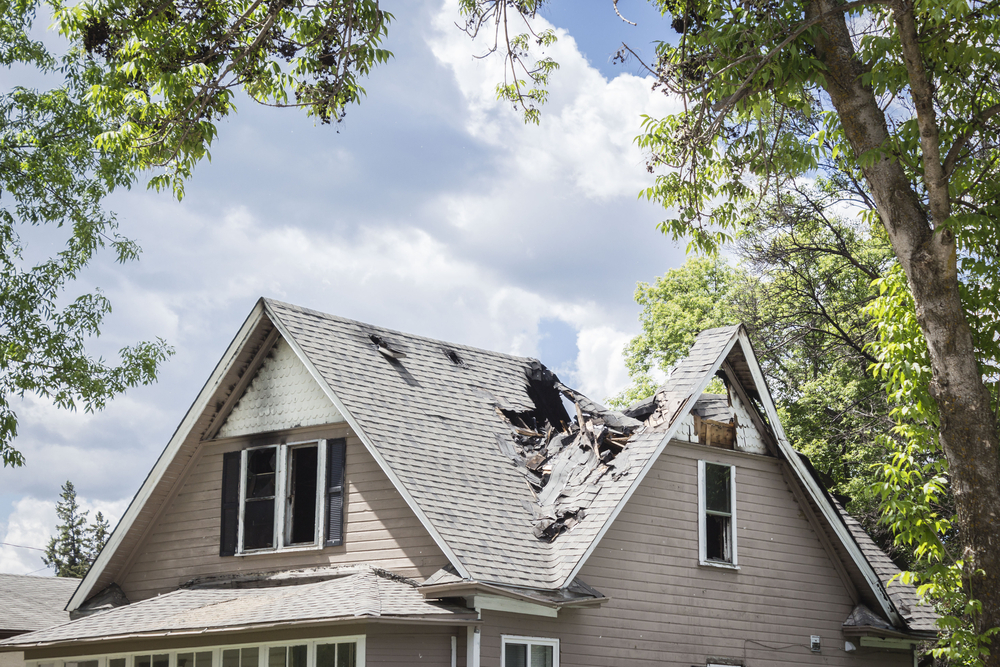
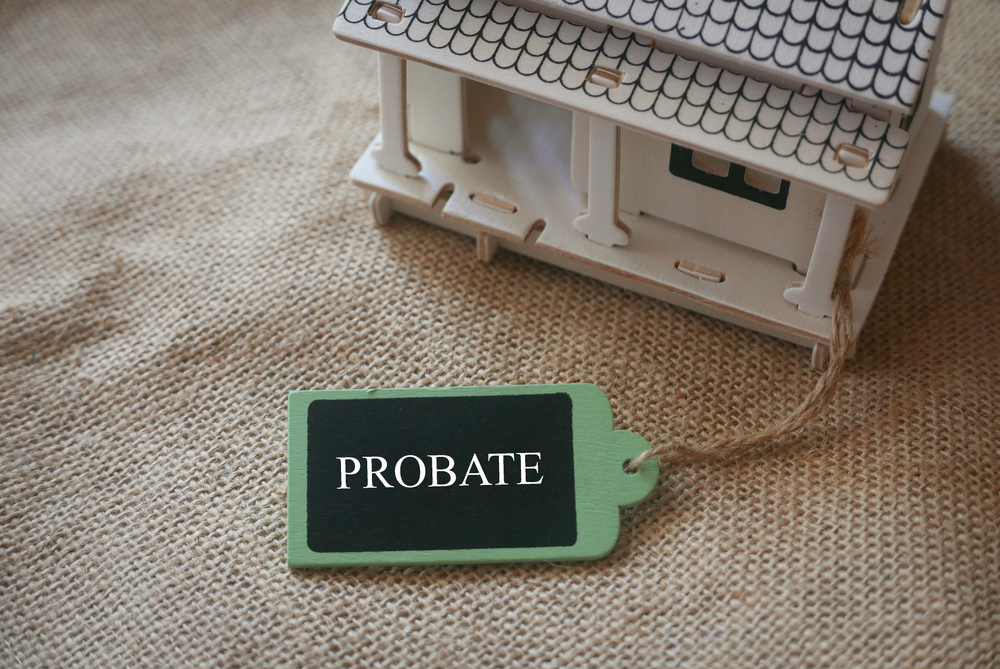
Selling a house in probate can feel overwhelming — especially when you’re already dealing with the emotional stress of losing a loved one. On top of that, New York probate laws add another layer of legal complexity.
The good news is that you can legally sell a house in probate in New York — but you must follow specific procedures.
If you’re looking for a faster, simplified option, Cash Buyers NY works with executors and heirs to purchase probate properties as-is throughout New York City.
Let’s walk through everything you need to know.
What Does It Mean When a House Is in Probate?
Probate is the legal process that takes place after someone passes away. The court oversees:
- Validating the will (if one exists)
- Appointing an executor or administrator
- Identifying heirs
- Paying debts and taxes
- Distributing assets
If the deceased person owned real estate solely in their name, the property typically must go through probate before it can be sold.
Who Has the Legal Authority to Sell a Probate Property?
Only the court-appointed executor (if there is a will) or administrator (if there is no will) has the legal authority to sell the home.
You cannot sell the property unless:
-
The Surrogate’s Court officially appoints you
-
You receive “Letters Testamentary” or “Letters of Administration”
-
The court allows the sale (if required)
Without proper court authorization, the sale cannot legally move forward.
Does the Court Have to Approve the Sale?
In many New York probate cases, the executor can sell property without separate court approval if the will grants that authority.
However, if:
-
The will restricts the sale
-
There is no will
-
Heirs disagree
-
The estate is insolvent
Court approval may be required.
Because every case is different, consulting a probate attorney is strongly recommended.
What Steps Are Required to Sell a House in Probate?
Here’s a simplified step-by-step process:
1. File the Will With Surrogate’s Court
If a will exists, it must be filed in the county where the deceased lived.
2. Get Appointed as Executor or Administrator
The court must officially authorize you.
3. Obtain Legal Authority
You will receive documentation allowing you to act on behalf of the estate.
4. Secure and Maintain the Property
Executors are responsible for protecting estate assets, including:
-
Insurance
-
Utilities
-
Basic maintenance
5. Determine Property Value
You may need:
-
An appraisal
-
Comparative market analysis
-
Investor offer
6. Sell the Property
Once legally authorized, you can:
-
List it traditionally
-
Sell to an investor
7. Pay Estate Debts
Proceeds may first go toward:
-
Mortgage balance
-
Creditors
-
Legal fees
Remaining funds are distributed to heirs.
Can All Heirs Force a Sale?
If multiple heirs inherit the property:
-
All parties must typically agree to sell.
-
If disagreements arise, the matter may go to court.
In some cases, a “partition action” may be filed to force a sale, but this can be expensive and time-consuming.
Clear communication between heirs helps avoid delays.
What Challenges Do Executors Face When Selling Probate Property?
Probate homes often come with complications such as:
-
Deferred maintenance
-
Outdated interiors
-
Existing liens
-
Emotional attachment
-
Family disputes
Additionally, many probate homes are sold as-is because heirs may not want to invest money into repairs.
Is It Better to Sell Probate Property As-Is?
Many executors choose to sell probate property as-is because:
-
Repairs can be costly
-
The estate may lack funds
-
Heirs want a quick resolution
-
The home may need major updates
Selling as-is to a cash buyer eliminates:
-
Repair costs
-
Agent commissions
-
Long listing timelines
-
Financing delays
How Can Cash Buyers NY Help With Probate Sales?
Cash Buyers NY works directly with:
-
Executors
-
Administrators
-
Heirs
They understand New York probate procedures and can:
-
Purchase probate properties as-is
-
Work within court timelines
-
Close quickly
-
Handle complex title situations
-
Coordinate with attorneys
This can significantly reduce stress during an already difficult time.
How Long Does Probate Take in New York?
The timeline varies, but probate in New York can take:
-
Several months
-
Longer if disputes arise
-
Longer if estate debts are complex
Selling the property does not automatically speed up probate — but it can simplify asset distribution.
Frequently Asked Questions About Selling a House in Probate
Can I sell a house before probate is complete?
You must first be officially appointed by the court and have authority to act on behalf of the estate.
Do I need all heirs to agree?
In most cases, yes — especially if multiple heirs inherit the property.
Can a probate home be sold below market value?
Executors have a fiduciary duty to act in the best interest of the estate. The sale price must be reasonable and defensible.
Who pays property taxes during probate?
The estate remains responsible for taxes, insurance, and maintenance until the home is sold.
Do I need a probate attorney?
While not legally required in every case, legal guidance is strongly recommended.
Conclusion
Selling a house in probate in New York involves legal procedures, court documentation, and careful decision-making. Executors have a fiduciary duty to act in the best interests of the estate and its beneficiaries.
While the process can feel overwhelming, understanding your legal authority and options makes it manageable.
If you’re an executor or heir looking for a faster, simpler solution, Cash Buyers NY can provide a fair cash offer for probate properties throughout New York City. They buy homes as-is and work within the legal probate process to ensure everything is handled properly.
No repairs.
No commissions.
No unnecessary delays.
If you need to sell a probate property in New York, contact Cash Buyers NY today to explore your options and move forward with confidence.