
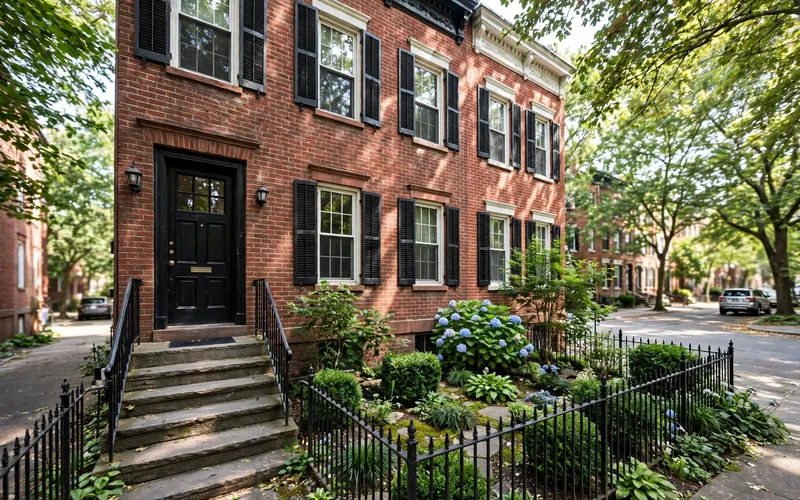
If you own a rented home in New York City and need to move on, you do not have to wait for the place to empty out before you sell it. A tenant-occupied home can be sold with the tenancy still in place — but the sale works very differently from selling a vacant house. The lease, the notice rules, the showing arrangements and the buyer pool all shape the price you can achieve and how smoothly the deal closes.
The most common mistake landlords make is treating a tenant like an obstacle to remove first. In New York, a sale on its own does not end a tenancy, and trying to force a tenant out can stall a sale and put buyers off. Understand exactly what kind of tenancy you have, plan around it honestly, and market to buyers who actually want what you are selling. If you need to sell your house fast in New York while tenants are still living there, that planning matters even more, because a direct buyer will still take the property subject to the existing tenancy. This guide is general educational information, not legal advice, so have a New York real estate attorney review your lease and any notice before you act on it.
You Can Sell With Tenants in Place
When a tenant-occupied home is sold, the buyer steps into your shoes as landlord and takes the property subject to the existing lease. Rent continues under the existing terms, and the lease runs to its end date unless it is lawfully ended earlier. The new owner inherits both the income and the obligations that come with it.
That is why these sales attract a particular kind of buyer. Investors often prefer a paying tenant already in place, because there is no vacancy gap and no reletting cost. An owner-occupier, by contrast, usually wants vacant possession and will either discount for the wait or walk away. Knowing which buyer you are really selling to, before you set a price, prevents most of the frustration landlords report in these sales. Check one exception at the outset: a lease that expressly terminates on sale. Such clauses are uncommon, and you should never assume one exists without your attorney reading the exact wording.
Start With the Lease, Not the Listing
Before you speak to an agent, a buyer or your tenant, pull the full tenancy file and read it end to end. The answers to almost every later question — can the tenant stay, when can possession be delivered, what access do you have for showings — are in there.
Fixed-term leases
With a fixed-term lease, the tenant generally has the right to remain until the term ends, and the buyer buys subject to that term. Market the property plainly on that basis, with the end date, the rent and any renewal or break terms disclosed to serious buyers. Hiding a long lease is how deals collapse at the attorney-review stage.
Month-to-month tenancies
Without a fixed term, the tenancy is generally month-to-month, but that does not mean it can be ended at will. New York’s tiered notice rules still apply, and in New York City good-cause protections may apply as well. A month-to-month tenancy is often more flexible for a seller, but flexibility is not vacant possession.
Rent-regulated homes
If the home is rent-stabilised or rent-controlled, a different set of rules governs rent, renewal and possession, and the tenant’s protections are stronger and longer-lasting. Do not promise a vacant-possession timetable for a regulated unit on the basis of a market-rate lease. If you are unsure whether regulation applies, check the rent history and get advice first — our guide to selling a building with rent-stabilised tenants in NYC is relevant reading here, even for a single home in a regulated building.
Work Out Which Protections Apply
Three layers can apply at once in New York City: the lease itself, New York’s general tenancy rules, and the Good Cause Eviction Law enacted in April 2024, which applies automatically in New York City to many market-rate tenancies that are not already rent-regulated. Under that law, a landlord generally needs a recognised good cause, proved in court, to refuse a renewal or remove a tenant in a covered unit, and certain rent increases can be challenged as unreasonable.
Exemptions matter: small landlords who own ten or fewer residential units in New York State, owner-occupied buildings with ten or fewer units, and units in buildings with a certificate of occupancy issued after 1 January 2009 are among them. Many single-home landlords may fall within an exemption, but that is a legal conclusion to confirm, not an assumption to market on. New York City’s eviction protection and resources page explains the basics, including that a tenant does not have to leave without a court order awarding possession. For the tenant’s perspective, see our companion guide to tenant rights when a landlord sells property in New York.
Notice: What to Give, and When
New York’s notice rules for ending or not renewing a residential tenancy turn on how long the tenant has occupied the home, or the length of the lease, whichever is longer. The tiers in Real Property Law § 226-c are at least 30 days’ written notice for occupancy of less than one year, 60 days for one to less than two years, and 90 days for two years or more. Since August 2024, a § 226-c notice must also include the good-cause notice required by § 231-c, stating whether the unit is subject to the Good Cause Eviction Law and, if exempt, why. A notice that is short, late or missing that statement can fail, and a failed notice usually means starting the clock again — so keep proof of service and have the notice drafted or checked by your attorney.
A notice of non-renewal also cannot expire before the lease term itself ends. And telling a tenant about a planned sale is not the same as serving a notice to end the tenancy: communicate early about the sale, but do not present a sale as if it automatically ends the tenancy.
Showings Without Souring the Relationship
Showings are where tenant-occupied sales are won or lost. A cooperative tenant who keeps the home presentable and admits buyers at agreed times is worth a great deal; a tenant who feels ambushed will, understandably, make the home hard to sell. Start with the lease’s access clause and build your showing plan around it. Where the lease is silent, the working standard is reasonable notice in writing, at reasonable hours, for a legitimate purpose. Agree a showing window in writing, give as much notice as you can, and keep visits proportionate — photographs and a single well-organised block of viewings usually serve a seller better than a stream of individual appointments.
Be careful with lockboxes: one should only be used if the lease and your written agreement with the tenant clearly allow it. If a tenant refuses access altogether, do not force entry. In a covered unit, failure to provide reasonable access can itself be raised as a good-cause ground, but that is a matter for your attorney and, if necessary, a court — never a reason to change locks, cut off utilities or remove belongings, all of which can amount to an illegal lockout.
Price It for the Buyer Who Will Actually Buy It
Price a tenant-occupied home as the asset the buyer is actually acquiring: a home plus a tenancy, with a known rent, a known end date or notice period, and a known set of obligations. For an investor buyer, the rent roll is the story — prepare a clean summary of current rent, payment history, lease end date, deposit held and any arrears. A tenant who pays on time and looks after the place is a selling point, not a footnote. For an owner-occupier buyer, the story is the path to possession: when the lease ends, what notice has been or will be given, and whether any voluntary move-out agreement is in place. That buyer will usually pay less for a home they cannot occupy for months, and that discount is a real cost of selling occupied, to weigh against the cost and delay of waiting for vacancy and carrying the property empty.
Avoid two pricing traps: pricing as if the home were vacant and hoping the tenancy issue will be negotiated away — it rarely is, and renegotiation usually happens after inspection, when your leverage is weakest — and assuming a tenant-occupied home must always sell at a steep discount. Where the rent is strong, the lease is short and the tenant is cooperative, an investor may pay close to market value. Let the tenancy facts, not a rule of thumb, set the price.
Cash-for-Keys: When a Voluntary Deal Makes Sense
Cash-for-keys is a voluntary, negotiated agreement in which the landlord pays the tenant an agreed sum to move out by an agreed date, leaving the home in an agreed condition. It is often the fastest lawful route to vacant possession, and often cheaper than months of vacancy, legal proceedings and a stalled sale — but it only works if it is genuinely voluntary and properly documented. Put any agreement in writing, signed by both sides, with the move-out date, payment amount and timing, the condition the home must be left in, and the treatment of the security deposit spelled out, and have your attorney review it before anyone signs or any money changes hands.
What cash-for-keys is not: it is not an eviction, it is not a substitute for a required notice, and it must never be presented as “take this or else.” Threats, lockouts, utility shut-offs and harassment to force a tenant out are unlawful, and they can destroy a sale far more thoroughly than a delayed closing. If a tenant declines, that is their right, and your plan reverts to selling with the tenancy in place or waiting out the lawful timetable.
Paperwork, Closing and Handover
A tenant-occupied sale generates a longer due-diligence list than a vacant sale, and having it ready signals that the tenancy is managed, not messy. Assemble it before you list: the current lease and any renewals, riders and amendments; a rent ledger; security deposit records; copies of all notices served, with proof of service; any cash-for-keys agreement; violation, complaint and repair history; and rent registration records, if the unit is regulated. Disclose early — a surprise discovered in due diligence costs more than the same fact disclosed on day one. Our checklist of documents needed to sell a house for cash in New York is a useful cross-check for the conveyancing documents that sit alongside this tenancy file.
At closing, rent is normally prorated to the closing date, and security deposits are transferred to the buyer with an assignment of the lease and the deposit obligations. The New York Attorney General’s Residential Tenants’ Rights Guide states that, when a building is sold, the landlord must transfer all security deposits to the new owner within five days or return them to the tenants, and must notify tenants by registered or certified mail of the new owner’s name and address. Build that notice into your post-closing checklist. Our guide to the house closing process for sellers in New York covers the wider closing sequence around these tenancy-specific steps.
Selling to a Cash Buyer With Tenants in Place
For some landlords, the main attraction of a direct cash sale is not price but simplicity: no listing photographs, no open houses, no parade of viewings through a tenant’s home, and no mortgage contingency that can collapse when a lender looks hard at the tenancy. A cash buyer who regularly buys occupied homes will usually underwrite the lease as part of the offer, rather than treating the tenant as a problem to be solved after contract. That does not change the legal position — the lease still transfers and the deposit still has to be handled properly. What changes is the process: fewer showings, a shorter marketing period, and a buyer who is pricing the tenancy rather than being surprised by it. If you are weighing that route against a traditional listing, compare net outcomes, not headline prices. Selling as-is can fit the same logic for a rented home that needs work you do not want to carry out around a sitting tenant.
Frequently Asked Questions
Can I sell my NYC home if my tenant refuses to move out?
Yes. You can sell with the tenant in place, and the buyer becomes the new landlord under the existing lease. A tenant cannot be removed simply because the property has been sold; removal requires a lawful ground, proper notice and, where required, a court order.
How much notice must I give a month-to-month tenant in New York?
Under Real Property Law § 226-c, at least 30 days for occupancy under one year, 60 days for one to under two years, and 90 days for two years or more, measured by occupancy or lease length, whichever is longer. Since August 2024 the notice must also include the good-cause notice under § 231-c. Confirm the position for your unit with an attorney, as exemptions and rent regulation can change the answer.
What happens to the security deposit when I sell?
It must be transferred to the new owner within five days of the sale or returned to the tenant, and the tenant must be notified by registered or certified mail of the new owner’s name and address. Document the transfer and the notice at closing.
The Bottom Line
Selling a tenant-occupied home in NYC is entirely possible — and often sensible — provided you treat the tenancy as part of the asset, not as an obstacle. Read the lease first, confirm which protections apply, serve any notice correctly and in good time, agree showings respectfully, price for the buyer who actually wants an occupied home, and document the deposit and rent handover at closing. Landlords who do that tend to close; landlords who try to hurry a tenant out tend to stall.
If showings, a long lease or a difficult tenancy are holding your sale back, it is worth comparing a direct sale alongside a traditional listing. You can request a free cash offer for your tenant-occupied home and see, with no obligation, what selling without showings and repair work would look like for your situation.

Jeff is part of the team at Cash Buyers NY, a cash home-buying company serving New York City and Long Island from Bellerose, Queens. The company buys houses as-is in any condition — no repairs, no agents, no commissions, and no financing contingencies — through a straightforward cash-offer process. Jeff covers the questions New York homeowners actually ask: how long a cash sale takes, what it costs, how co-op boards and inheritance work, and when selling as-is makes sense.