
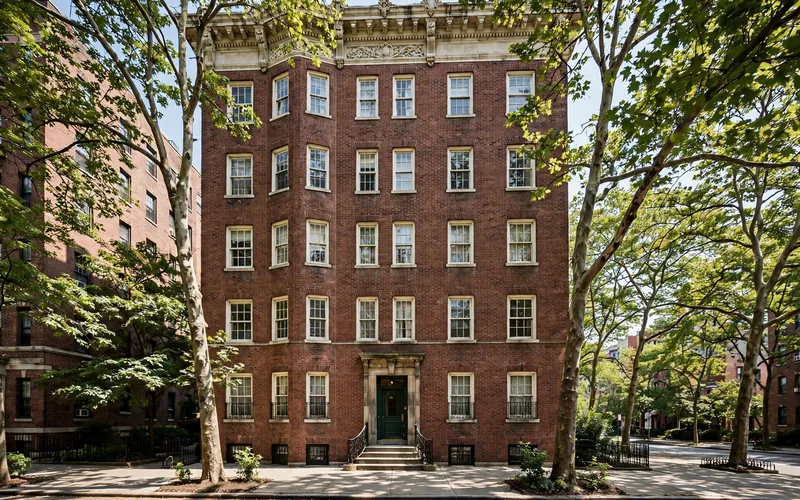
Owning a rent-stabilized building in New York City can feel like holding two different investments at once: steady rental income on one side, and one of the strictest regulatory systems in the country on the other. When the time comes to sell, most owners share the same worry — will the tenants, the paperwork, and the rent rules scare buyers away, or drag the price down?
The short answer is that rent stabilization changes the sale, but it does not prevent it. Stabilized buildings change hands every day across the five boroughs. The owners who get the best outcome understand what transfers to the buyer, how buyers value regulated income, and what paperwork makes a closing smooth — whether they list the building or choose to sell a property in New York directly to a cash buyer.
What Rent Stabilization Means for Your Sale
New York City’s rent stabilization system covers roughly one million apartments, most of them in buildings constructed before 1974 with six or more units. The state agency now known as New York State Homes and Community Renewal (HCR, still often called DHCR) oversees the program: owners must register rents annually, offer tenants the choice of a one- or two-year renewal lease, and stay within the yearly increase limits set by the Rent Guidelines Board (RGB).
The rules got significantly stricter with the Housing Stability and Tenant Protection Act of 2019, which eliminated vacancy decontrol. Before that law, apartments could leave the stabilization system when the rent crossed a threshold or a unit went vacant; now they generally cannot. The law also eliminated the vacancy bonus landlords once charged between tenancies, capped rent increases for individual apartment improvements (IAIs), made preferential rents the base for calculating future increases, and lengthened the period tenants can look back when challenging overcharges.
The numbers that matter most for your sale are the current guidelines. The Rent Guidelines Board voted in June 2025 to raise rents by 3% for one-year leases and 4.5% for two-year leases on leases commencing between October 1, 2025 and September 30, 2026 — caps below inflation, which is exactly why many owners are choosing to sell now.
One more recent law is worth knowing about: the Good Cause Eviction law that took effect in April 2024. It mainly protects tenants in market-rate apartments, since rent-stabilized tenants already had renewal and eviction protections. But it matters for your sale because it narrows the “upside” story for any unregulated units in your building — buyers can no longer assume they will freely raise those rents either.
What buyers already know — and what surprises first-time sellers
Professional buyers of regulated buildings know all of this. What surprises first-time sellers is how thoroughly those buyers check the details. They will compare your rent roll against the official DHCR registration history, look for open violations and pending tenant complaints, and flag preferential rents that change the math on future increases. Small inconsistencies that went unnoticed for years become negotiating leverage at the closing table.
What Stays With the Building When Ownership Changes
Everything that makes the building rent-stabilized stays with the building. That single principle answers most of the questions owners ask:
- Leases and renewal rights survive the sale. The buyer steps into your shoes and must honor existing leases and offer renewals at guideline-limited rents.
- A sale does not deregulate the apartments. As one landlord-tenant attorney put it, a sale by itself does not change a unit’s rent-stabilized status — deregulation only happens in rare cases tied to expiring tax abatements, with written notice required.
- Compliance problems transfer too. Open violations, unresolved DHCR complaints, and overcharge liability follow the building, not the owner. Overcharge findings can carry treble damages, and buyers know it — they will discount for every issue they find.
- Security deposits move to the new owner along with your records of them. The deposits belong to the tenants, and the buyer inherits the accounting.
- Succession rights continue. Family members who qualify can inherit a stabilized lease, which means your rent roll may outlast your ownership by a generation.
None of this is a reason not to sell. It is simply the reality your buyer is underwriting — and the reason an informed seller gets better terms than one who discovers it during due diligence.
How Stabilization Affects Your Price and Your Buyer Pool
Buyers do not pay for market rent. They pay for the rent you are legally allowed to collect. Valuation of a stabilized building starts from the in-place rent roll and the capped growth on top of it, then works backward through operating costs, taxes, and insurance. In practice, that means stabilized buildings typically trade at a discount to deregulated comparable properties — the income is dependable, but the upside is legislated.
The buyer pool narrows accordingly. Owner-occupants looking for a vacant unit are mostly out of the picture, because recovering a stabilized unit for personal use is allowed only under strict conditions — generally a single unit for the owner’s own primary residence, with a genuine good-faith requirement that courts examine closely.
The buyers who remain are investors who specialize in regulated buildings: they understand the DHCR paperwork, price the compliance risk, and plan to hold for the long term. That is a smaller audience, but a serious one.
What serious buyers will scrutinize
Before making an offer, an experienced buyer (or their attorney) will check whether your rent roll matches the DHCR registration history, whether any units carry preferential rents that cap future increases, whether violations or tenant complaints are open, whether the building sits under a J-51 or 421-a abatement with an end date, and whether every lease includes the required stabilization rider. Every gap they find becomes a price adjustment.
Price on real numbers, not hopeful ones
The fastest way to stall a sale is to price on pro-forma rents — what the units could bring if deregulated — instead of the regulated rents they actually bring. Honest pricing on in-place income produces faster closings and fewer re-trades.
Practical Steps to Take Before You Sell
Whether you list with a broker or sell directly, this preparation protects your price:
- Pull the DHCR rent registration history for every unit and reconcile it line by line with your rent roll. Fix discrepancies before a buyer finds them.
- Gather current leases, renewal leases, and stabilization riders. Missing paperwork slows every deal and invites worst-case assumptions.
- Run a violations check with HPD and the Department of Buildings, and either resolve open items or document a plan for them.
- Account for every security deposit. Clean records transfer with the sale; messy ones become a credit against your price.
- Disclose the stabilized status in writing. Rent regulation is a material fact about the property, and New York’s disclosure rules treat it that way. Withholding it invites lawsuits, not higher offers.
- Talk to a landlord-tenant attorney before you market the building — not after you have an offer. An hour of advice up front is cheaper than a collapsed deal.
This article is general educational information, not legal advice. Rent regulation is fact-specific, so consult a qualified landlord-tenant attorney about your building before making decisions.
Your Options for Selling a Tenant-Occupied Building
You have two realistic paths, and the honest comparison is worth making.
Listing on the open market puts your building in front of the widest audience, which can help on price. The trade-offs are real, though: showings in occupied units require advance notice, uncooperative tenants can stall the process, carrying costs accumulate over months, and deals still fall apart in due diligence when buyers uncover registration gaps or open complaints. If your listing expires without a sale, you are back to square one with a public price history working against you.
Selling directly to a cash buyer skips the listing process entirely. A buyer who specializes in as-is purchases takes the building with tenants in place, handles the compliance paperwork, and closes on a timeline you choose — no showings parade, no months of carrying costs. If that sounds like the right fit, you can get a free cash offer on your building as-is; here is how long a cash sale typically takes in NYC. On the tenant side of the transaction, it is also worth knowing what tenant rights when a landlord sells a property look like — sharing that information with your tenants can keep the whole process civil.
Neither route is universally better. An open-market listing can maximize price for a clean, well-documented building; a direct sale maximizes certainty and speed when the building has complications or you simply want out. If you are weighing the as-is route, selling the building as-is is worth a closer look.
Frequently Asked Questions
Can I sell a rent-stabilized building with tenants still living there?
Yes. Buildings sell with tenants in place every day in New York City. The tenants’ leases, renewal rights, and protections continue unchanged under the new owner.
Does selling the building deregulate the apartments?
No. A change of ownership does not change a unit’s rent-stabilized status. Deregulation happens only in narrow circumstances, such as the expiration of a 421-a or J-51 tax abatement — and even then, the landlord must give tenants written notice.
Do I have to tell the buyer the building is rent-stabilized?
Yes. Rent regulation is a material fact about the property, and New York’s property condition disclosure rules require you to disclose it. Withholding it does not get you a higher price — it gets you legal exposure.
What happens to tenants’ security deposits when I sell?
The deposits transfer to the new owner along with your records of them. Security deposits belong to the tenants, and the buyer inherits both the money and the accounting responsibility.
Can the new owner evict rent-stabilized tenants?
Only on lawful grounds, such as non-payment of rent or lease violations, or an owner-use recovery that meets strict legal conditions. A sale alone is never grounds for eviction, and tenants keep their right to renewal leases.
How much can the new owner raise rents?
Only what the Rent Guidelines Board allows. For leases commencing between October 1, 2025 and September 30, 2026, the maximum increases are 3% for one-year renewals and 4.5% for two-year renewals.
The Bottom Line
A rent-stabilized building is still a very sellable building — regulated buildings trade in a deep market of specialist investors who understand exactly what they are buying. What separates a smooth closing from a discounted one is preparation: clean DHCR records, an honest rent roll, resolved violations, and pricing based on the income the law actually allows.
If you would rather skip the listing process and sell your building as-is, with tenants in place and no showings, get a free cash offer from Cash Buyers NY — or call 646-920-8900 to talk through your situation. We buy residential properties directly from owners across New York City and Long Island, and we handle the paperwork from there.

Jeff is part of the team at Cash Buyers NY, a cash home-buying company serving New York City and Long Island from Bellerose, Queens. The company buys houses as-is in any condition — no repairs, no agents, no commissions, and no financing contingencies — through a straightforward cash-offer process. Jeff covers the questions New York homeowners actually ask: how long a cash sale takes, what it costs, how co-op boards and inheritance work, and when selling as-is makes sense.