
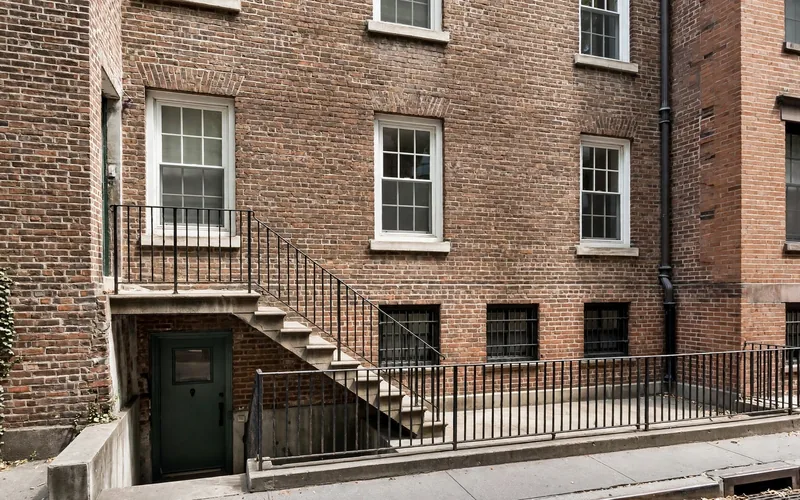
Thousands of New York City homeowners rent out basement apartments that were never approved by the Department of Buildings — and many inherited the setup when they bought the house. If that’s your situation, you’ve probably weighed the same question: is it worth legalizing the unit, or would you be better off selling the property as-is and leaving the problem behind?
Since late 2024, New York City has opened real pathways to legalize basement and cellar apartments through Local Laws 126 and 127 and the City of Yes housing plan. But legalization remains a slow, expensive construction project with strict safety requirements — and the main pilot program isn’t fully open yet. This guide breaks down what legalization actually takes in 2026, what it costs, the risks you’re carrying in the meantime, and when selling as-is is the smarter move. (This is general educational information, not legal advice; talk to a licensed design professional and a New York real estate attorney about your specific property.)
Why So Many NYC Basement Apartments Are Illegal
For decades, legalizing a basement or cellar apartment in most one- and two-family homes was effectively impossible, so owners built them anyway. These unregulated units now number in the tens of thousands across the five boroughs, filling affordable-housing demand in a city with a rental vacancy rate of roughly 1.4 percent.
The push to make these spaces safe sharpened after Hurricane Ida’s flooding in 2021 killed 11 New Yorkers living in basement apartments. That led to Local Laws 126 and 127 of 2024, passed alongside the City of Yes for Housing Opportunity plan — the first realistic framework to bring these units into compliance.
What Legalization Actually Takes in 2026
The standard route: build a legal ADU under Local Law 127
New York City now allows Ancillary Dwelling Units (ADUs) — including basement or cellar apartments — in one- and two-family homes. The Department of Buildings began accepting ADU construction applications through DOB NOW: Build on September 30, 2025 (see the DOB’s ADU rules page).
Requirements are strict: an ADU can’t exceed 800 square feet, the owner must live in the primary home or the ADU, and cellar units need automatic sprinklers plus water sensors. Units need adequate ceiling height, light and ventilation, two safe means of egress (typically emergency escape windows or window wells), fire separation from boilers and furnaces, and central heating. Flood-prone areas don’t qualify.
Getting there means hiring a registered design professional (an architect or engineer) to file plans, obtaining DOB permits, having licensed contractors perform the work to the approved plans, passing inspections, and securing an amended Certificate of Occupancy — the same heavyweight process as any regulated alteration in the city.
The pilot route: legalize an existing illegal unit under Local Law 126
If your basement or cellar apartment already existed before April 20, 2024, and sits in one of the community districts covered by Local Law 126, a pilot program lets you legalize it gradually instead of all at once. Accepted homeowners receive an Authorization for Temporary Residence (ATR) letting tenants stay while the owner brings the unit into full compliance over up to ten years — sprinklers and flood sensors, emergency escape openings, and eventually a new Certificate of Occupancy.
The program also protects occupants: tenants who temporarily vacate for renovation work have a right of return, and participating owners can legalize without the usual penalties. Applications are due by April 20, 2029.
One catch: the pilot program’s applications were not yet being accepted as of early 2026, pending the Department of Buildings’ final rules. Proposed rules were published in November 2025 (see the DOB’s announcement and 6sqft’s coverage), so eligible owners should watch for the program’s opening rather than assume it has begun.
A cautionary note: the earlier pilot never finished a single conversion
The city has tried this before. A 2019 pilot in East New York offered homeowners loans of up to $120,000 plus technical assistance — yet the Citizens Housing & Planning Council’s final report on the pilot found no conversions completed by mid-2025, with costs and inflexible code requirements cited. The new laws address some barriers, but the track record shows legalization routinely costs more and takes longer than owners expect.
How Much Does It Cost to Legalize a Basement Apartment?
There is no standard price — it depends on how far your unit is from code. But the city’s own programs size the job honestly: the 2019 pilot capped loans at $120,000, and the “Plus One ADU” construction program offered single-family owners up to $395,000 for new units.
Costs come from design fees, DOB permits and inspections, and the construction itself: egress windows or window wells, sprinklers, electrical and plumbing brought to code, waterproofing, and upgrades to ceiling height, ventilation, and fire separation. Any one of those can run into the tens of thousands of dollars.
Then there’s the clock: straightforward projects take many months, complicated ones stretch into years, with tenants to manage and inspections to schedule throughout. If the rental income isn’t essential — or the money simply isn’t there — the timeline alone can be the deciding factor.
The Risks of Keeping an Illegal Basement Apartment
While you decide, the risks keep accruing:
- Fines. Illegally converting a one- or two-family home carries civil penalties of $1,000 to $5,000 per dwelling unit for a first offense, rising to $2,500–$15,000 for a second offense and $10,000–$20,000 for a third. Violations heard before the Office of Administrative Trials and Hearings (OATH) carry mandatory penalties, with default penalties of up to $25,000 per violation.
- Violations on the public record. DOB violations and stop-work orders attach to the property and are visible to buyers, their attorneys, and their lenders. The DOB’s guidance on illegal conversions lays out exactly how enforcement works.
- Liability. In a fire or flood, an illegal unit without proper egress or alarms puts tenants, neighbors, and first responders at risk — and your insurance carrier may not cover claims tied to unpermitted work.
- Enforcement triggers. Most owners get caught through 311 complaints, tenant disputes, or the sale process itself, when a buyer’s inspection and attorney flag the illegal unit.
What Happens to an Illegal Basement Apartment When You Sell?
Selling doesn’t erase the problem — it moves it to the negotiation table:
- Disclosure. New York sellers must be honest about known property conditions, including unpermitted work. Discuss exactly what you know with your real estate attorney before listing.
- Financing fallout. Mortgage lenders are wary of properties with illegal units; some will require the violation to be resolved before funding, which shrinks your buyer pool to cash buyers and investors.
- Appraisal gaps. An appraiser can’t count illegal square footage or rental income, so the unit adds little to the appraised value no matter what it rents for.
- Record search. A buyer’s attorney will pull DOB records. Existing violations must be addressed or priced into the deal — and either way, they cost you leverage.
Read our guide on selling a house with unpermitted work in NYC, and our breakdown of selling a house with code violations if violations are already on record.
When Selling As-Is Is the Smarter Move
Legalization makes sense if you plan to keep the property long-term, can fund the project, and want the legal rental income. But selling as-is is often the more practical answer when the conversion cost rivals the value a legal unit would add, you can’t wait months or years because of a relocation or financial pressure, violations are already on record and compounding, or you’d simply rather convert the property to cash than run a construction project.
A traditional listing with an illegal basement apartment means permits, repairs, lender conditions, and a buyer who may walk when the violations surface. An as-is cash sale sidesteps all of it: professional cash buyers purchase New York homes in their current condition — unpermitted improvements, violations, and all — with no repairs, no commissions, and no financing contingencies. Many sellers are surprised by how fast a cash sale can close compared with the months a legalization project would take.
Frequently Asked Questions
Can I legally sell a house with an illegal basement apartment in NYC?
Yes — but you must be honest about known conditions and discuss disclosure with your real estate attorney. Many owners sell their homes as-is to cash buyers rather than legalizing first, since cash sales don’t depend on lender approval.
How much does it cost to legalize a basement apartment in NYC?
There is no fixed figure — it depends on the unit’s condition and how far it is from code. City programs have sized conversions between $120,000 (the 2019 pilot’s loan cap) and $395,000 (the Plus One new-construction program). Get quotes from licensed design professionals before committing.
How long does legalization take?
Typically many months to several years, depending on scope, permitting, and inspections. The Local Law 126 pilot allows eligible owners up to ten years to reach full compliance — which tells you the city itself expects a long project.
Is the basement apartment legalization pilot program open now?
As of early 2026, the Local Law 126 pilot was not yet accepting applications — the DOB was still finalizing rules after publishing proposed rules in November 2025. Once open, owners of pre-April 20, 2024 units have until April 20, 2029 to apply. Check the DOB’s ADU page for the current status.
Will an illegal basement apartment show up when I sell my house?
DOB violations are public record, and any competent buyer’s attorney and home inspector will look for unpermitted work. Undisclosed illegal units are one of the most common deal-killers in New York home sales.
Do I need a lawyer to sell a house with an illegal basement apartment?
Strongly advisable. A New York real estate attorney can advise on disclosure obligations, open violations, and how to structure the sale. This article is general information, not legal advice.
The Bottom Line
New York City has finally created real pathways to legalize basement apartments — but “possible” isn’t “practical.” Legalization means six-figure costs, licensed professionals, months or years of construction, and a pilot program not yet fully open. Meanwhile, fines, liability, and public-record violations keep piling up.
If you’re keeping the property long-term and can fund the project, legalizing adds legitimate value and rental income. But if you want out quickly — without a construction project or pouring money into permits — selling as-is is a legitimate exit. Cash Buyers NY buys houses throughout New York City and Long Island in their current condition, including homes with unpermitted basement apartments and code violations. No repairs, no commissions, no financing fall-through risk.
Call 646-920-8900 or get a cash offer to see what your property is worth today — illegal basement apartment and all.

Jeff is part of the team at Cash Buyers NY, a cash home-buying company serving New York City and Long Island from Bellerose, Queens. The company buys houses as-is in any condition — no repairs, no agents, no commissions, and no financing contingencies — through a straightforward cash-offer process. Jeff covers the questions New York homeowners actually ask: how long a cash sale takes, what it costs, how co-op boards and inheritance work, and when selling as-is makes sense.